

Deadline extended

Applications close 23 August 2026

Apply

The previous edition

A look back at SCC 2025

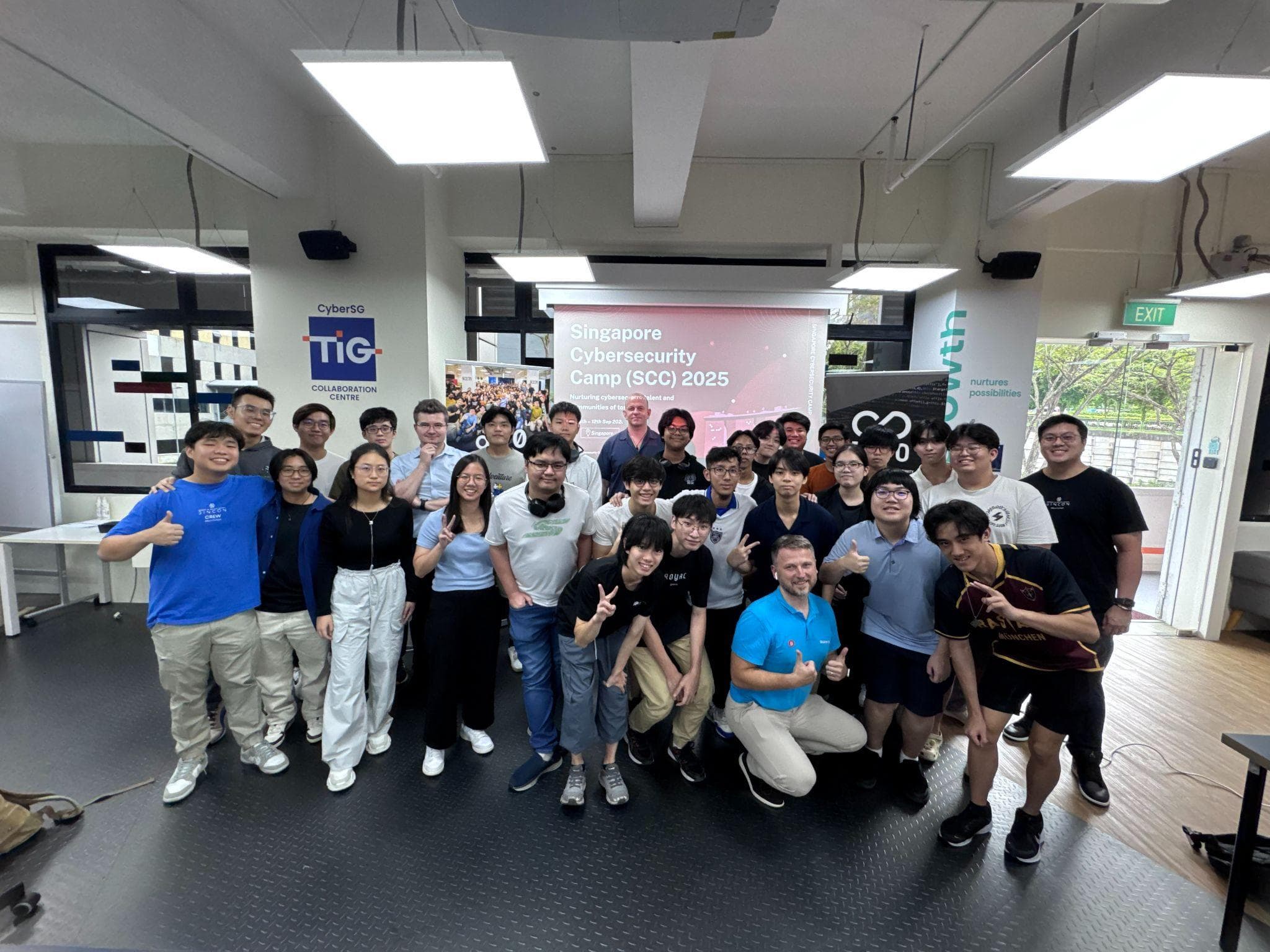
The inaugural Singapore Cybersecurity Camp ran 8–12 September 2025 at the CyberSG TIG Collaboration Centre — five days, seven trainings and 25 students. Here is what the first cohort experienced.

See this year’s trainings →
The SCC 2025 cohort and mentors at the CyberSG TIG Collaboration Centre

SCC 2025 · Cohort & mentors

2025 trainings & trainers

01

8 Sept (Mon)

Applied OT Security

13:00 – 17:00

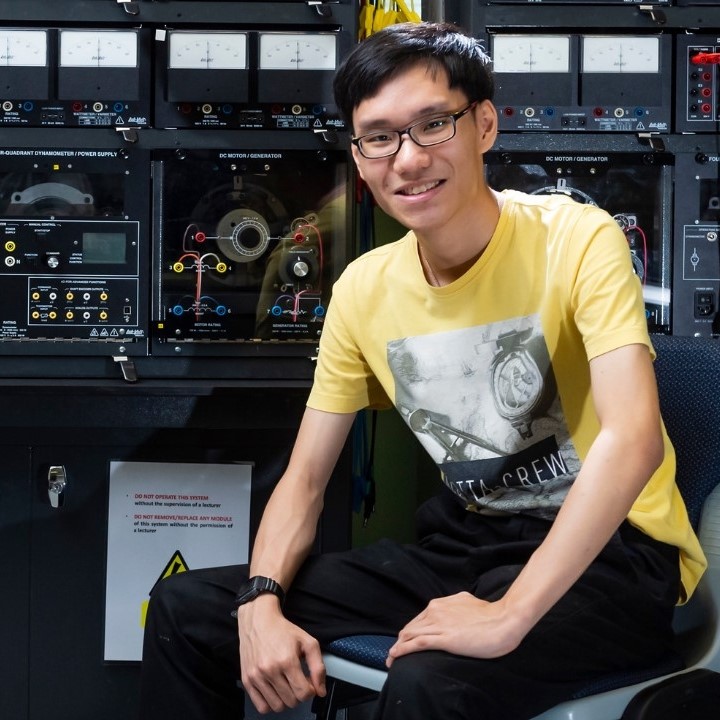
This training provides participants with an in-depth introduction to operational technology (OT) through a series of offensive security exercises. They will gain hands-on experience with SCADA and PLC systems, exploring the industrial protocols and interfaces commonly used in these environments. Focusing on equipment used in the power industry, students will have the opportunity to work directly with real-life OT equipment involving mains voltage. Through hands-on exercises, they will observe scenarios such as AC voltage manipulation and the bypassing of electrical safety mechanisms, gaining insight into cyber-physical vulnerabilities. After this training, participants will have a deeper understanding of applied OT security, the impacts of cyber-physical attacks on critical infrastructure, and the importance of securing these systems.

Trainers
Kenneth Tong

Kenneth Tong

OT Security Researcher

Manzel Seet

Manzel Seet

OT Security Researcher
02

9 Sept (Tue)

Intel to Actions

09:00 – 13:00

In this session, "From Intel to Action," we'll demonstrate how to turn threat intelligence into actionable strategies to safeguard systems. Designed as an Intel 101 workshop, it provides a comprehensive overview of the threat intelligence lifecycle while showcasing its real-world application in defending against cyber threats. Participants will explore: - Threat Intelligence Fundamentals: types (strategic, tactical, operational, technical) and their roles in cybersecurity. - Threat Actor Profiling. - Indicators of Compromise (IoCs): identifying and leveraging IoCs like IPs, hashes and domains for threat detection. - Actionable Insights: translating intelligence into detection and hunting. The session includes a hands-on group activity where teams create a threat actor profile.

Trainer

Salimah Liyakkathali

Salimah Liyakkathali

Independent Security Researcher

03

9 Sept (Tue)

Exploring Strategic Information Warfare

14:00 – 18:00

Disinformation poses a growing threat to societal trust, democratic processes and information integrity. But what exactly constitutes disinformation, and how can organisations effectively counter it? This session breaks down the fundamentals of disinformation analysis, examining how false narratives emerge, spread and impact targeted audiences across digital ecosystems. We'll explore essential methodologies for detecting disinformation campaigns, analysing their origins and implementing effective response strategies that preserve information integrity. Additionally, we'll examine the various national strategies in managing this discourse and what we as individuals can do about it.

Trainer

Zheng Yang Davis

Zheng Yang Davis

Assistant Researcher, NTU RSIS Centre of Excellence for National Security

04

10 Sept (Wed)

Introduction to Threat Modelling

09:00 – 18:00

"Know thy self, know thy enemy. A thousand battles, a thousand victories." — Sun Tzu "Prevention is better than cure." In essence, these two quotes summarise threat modelling. It allows us to understand how threat actors can attack our systems, and how we can pre-empt them whilst a system is still in the design phase. We begin with an introduction to threat modelling principles and well-known methodologies such as STRIDE-LM and the MITRE ATT&CK Framework, with hands-on sessions using a tool like the OWASP Threat Dragon and multiple group exercises across on-premise and cloud environments. For differentiated learning, the course runs in a two-track fashion: a base set of exercises covered in class, plus "Extra Mile" exercises for faster students. Given sufficient time, modern topics such as threat modelling in large language models (LLMs) may be discussed.

Trainer

Donavan Cheah

Donavan Cheah

Senior Cybersecurity Consultant, Thales

05

11 Sept (Thu)

Malware Reverse Engineering

09:00 – 13:00

This hands-on training module provides participants with comprehensive exposure to malware analysis through a simulated phishing attack scenario. This session combines static analysis, dynamic analysis and some network analysis. Participants will analyse and gain an understanding of the overall infection chain, which is useful for analysts to show the flow of executions by the malware.

Trainer

Lucas Tay

Lucas Tay

Cybersecurity Consultant, Cyber Security Agency of Singapore

06

11 Sept (Thu)

Career Mentoring

14:00 – 16:00

This workshop is designed to equip participants with the essential tools and strategies to navigate today's competitive job market. Attendees will learn how to craft compelling resumes that highlight their strengths and achievements. The session will also delve into effective job-hunting strategies to identify and seize the right opportunities. Finally, participants will gain practical insights into interview preparation — including how to present themselves confidently, respond to common questions and follow up professionally.

Trainer

Rowena Lee

Rowena Lee

Principal Consultant & Founder, HRS Talents

07

12 Sept (Fri)

Level 1 to Level 99 in Cloud Attacks

09:00 – 13:00

The modern cloud, as we know it, is no longer just a selection of cloud service providers and service models across infrastructure, platform and software. It has become a tangled web of services that depend on each other, where a security failure in one cloud tenant can lead to a cascading failure downstream. In this course, we will look at how a cloud-native company runs its day-to-day operations, what an adversary would target, and how one could execute an attack of similar scale.

Trainer

Sim Cher Boon

Sim Cher Boon

Senior Security Engineer, Grab